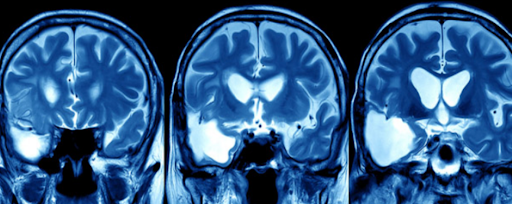
Stem cell therapy is an exciting non-surgical procedure that offers promise for those people living with the long-term effects of traumatic brain injury.
Regenerative medicine, also known as stem cell therapy, is the process of using undifferentiated cells that can turn themselves into any other type of cell. This adaptability means brain cells are not needed to address neurodegenerative conditions such as Alzheimer’s disease or traumatic brain injury.
How Stem Cell Therapy Works for Traumatic Brain Injury
Damage caused during or after a brain injury can cause brain cells to die. The brain does not naturally replace or regenerate new neurons to replace the dead ones. Because brain signals cannot pass through dead neurons, the result can be a loss of brain function.
Most treatments for TBI focus on neuroplasticity, a way of helping the brain to reroute its signals through functioning neuron pathways. Imagine your brain as a system of roads and bridges. Dead neurons represent broken brides that can’t be traveled, and neuroplasticity provides the detour signs showing the brain signals a new place to cross.
Instead of rerouting, stem cells have the potential to rebuild those broken bridges. A recent study shows that implanted cells do not turn into neurons themselves. Something even better happens: the stem cells may also trigger the brain’s natural ability to regenerate, allowing the brain to create and repair neuron pathways on its own.
Used this way, stem cell therapy may also help reverse the aging process. The introduction of healthy new undifferentiated cells supports brain health on every level.
Stem cell treatment for TBI is a groundbreaking and still experimental procedure with the potential to help patients recover brain function and improve symptoms.
While promising, it is important to remember that stem cell therapy is not a cure for TBI. Patients must weigh all of the available information before deciding to move forward with stem cell treatment.
For best results, continuing with rehabilitative, nutritional, and pharmacological therapies is recommended. Some patients may also find hyperbaric oxygen therapy as a therapeutic option to explore as well. Stem cell therapy may be a complementary treatment that provides an option to help manage symptoms of traumatic brain injury.
This post was written by a medical professional at Stemedix Inc. At Stemedix we provide access to Regenerative Medicine, also known as Stem Cell Therapy in Tampa. Regenerative medicine seeks to replace tissue or organs that have been damaged by disease, trauma, or congenital issues.